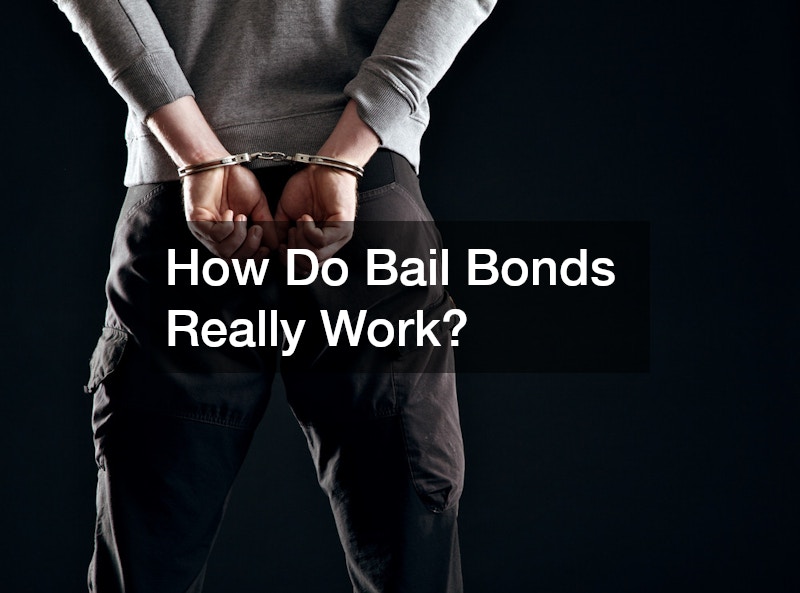
Understanding how a bail bond works can help ease the stress and confusion that often come with an arrest. When someone is taken into custody, the legal system allows a temporary release from jail while awaiting trial—this is known as bail. The amount of bail is usually set by a judge and is meant to ensure the defendant returns for future court appearances.
However, many people cannot afford to pay the full amount upfront, which is where a bail bond becomes essential. By learning the basics, you can better support yourself or a loved one during a difficult time.
The process may seem intimidating, but it follows a clear structure. Below is a detailed guide on how a bail bond works and the steps involved from start to finish.
What Happens Immediately After an Arrest?
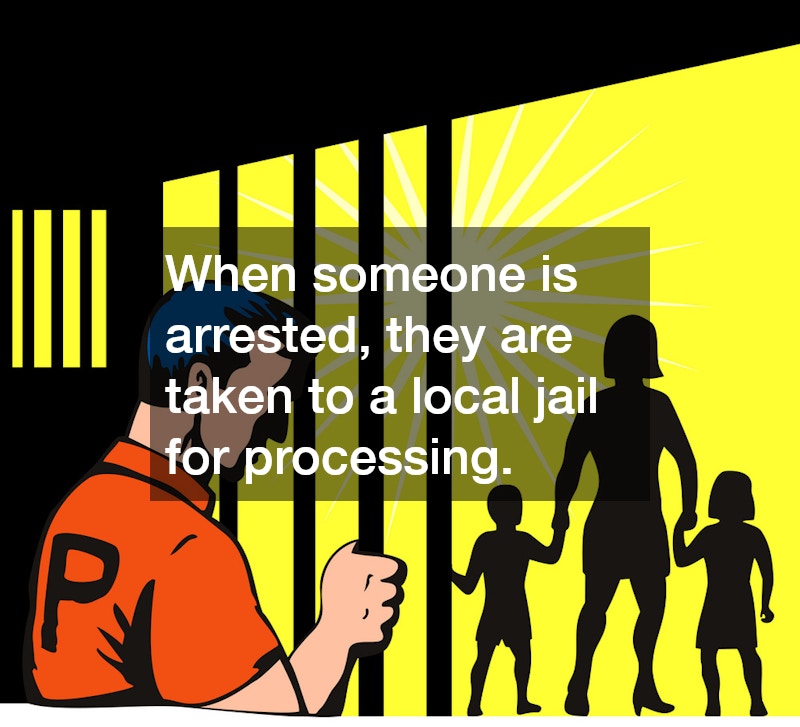
When someone is arrested, they are taken to a local jail for processing. This includes fingerprinting, background checks, and entering information into the system. Once processed, the individual may be eligible for release on bail. Depending on the jurisdiction, bail can be set automatically based on a schedule or determined during a court hearing.
This is the first point where a bail bond may come into play. If the bail amount is too high for the defendant or their family to pay, they have the option to contact a bail bondsman who provides financial assistance in exchange for a fee. This makes it possible to secure release without paying the full bail amount.
How Does a Bail Bond Work?
A bail bond is essentially a financial guarantee made to the court. The bail bondsman promises that the defendant will attend all scheduled court dates. In return, the family or defendant pays the bondsman a percentage of the bail amount—usually around 10%. This fee is nonrefundable because it covers the service and financial risk the bondsman assumes.
For example, if bail is set at $10,000, the upfront cost to secure a bail bond is typically around $1,000. The bail bondsman then posts the full amount with the court, allowing the defendant to be released. Without a bail bond, many people would remain in custody simply because they cannot afford to pay large sums upfront.
What Are the Responsibilities of the Defendant?
After being released with the help of a bail bond, the defendant must follow all court-ordered requirements. This includes attending hearings, avoiding new criminal charges, and complying with any additional conditions such as travel restrictions or check-ins. Failure to follow these requirements can result in serious consequences.
If the defendant does not show up to court, the bail bond becomes forfeited. This means the court expects the full bail amount to be paid, placing financial responsibility on the bondsman. In turn, the bondsman may seek repayment from the defendant or their co-signer and could even hire recovery agents to locate and return the defendant to custody. This is why it is critical to take a bail bond agreement seriously.
What Role Does a Co-Signer Play?
Many bail bond agencies require a co-signer, someone who agrees to take financial responsibility if the defendant fails to meet their obligations. The co-signer must understand the seriousness of the commitment before signing the contract. They may be asked to provide collateral—such as a car, property, or other valuable assets—to secure the bail bond.
If everything goes smoothly and the defendant appears for all required court dates, the bail bond remains active until the case is resolved. Once the court proceedings conclude, the bail is discharged. At that point, any collateral is released, and the only cost incurred is the initial fee paid to the bondsman.
What Happens After the Case Is Resolved?
When the court case ends—whether through dismissal, a plea deal, or a verdict—the bail process also comes to an end. The court no longer needs financial assurance that the defendant will appear. As long as the defendant met all obligations, the bail bond is closed, and the bail bondsman’s responsibility is fulfilled.
This does not mean the fee paid to secure the bail bond is refunded. That payment compensates the bondsman for taking on risk and providing a valuable service. The return of collateral is the final step, ensuring the co-signer’s assets are no longer tied to the case.
Why Do People Choose a Bail Bond Instead of Paying Bail?
For many families, affordability is the biggest factor. Bail amounts can range from a few hundred dollars to hundreds of thousands, depending on the charges. Paying in full may not be realistic, especially on short notice. A bail bond makes temporary release achievable at a fraction of the cost.
Convenience and speed are other major benefits. A bondsman is often available 24/7 and can begin the process quickly. Their experience with legal procedures helps avoid delays, allowing the defendant to return home, continue working, and prepare for their case.
What Should You Look for in a Bail Bondsman?
Choosing the right agency can make a stressful situation much more manageable. Look for a bail bondsman who is licensed, transparent about costs, and available to answer questions. Clear communication is essential because every bail bond agreement outlines specific obligations and consequences.
It also helps to choose someone who treats clients with respect and professionalism. An arrest impacts the entire family, and having a supportive expert can reduce confusion and uncertainty.
Understanding how a bail bond works empowers families to make informed decisions when facing unexpected legal challenges. By knowing the steps, responsibilities, and potential outcomes, you can navigate the justice system with more confidence and clarity.